



The $29 HID Kit – How Is That Possible?
Xentec has sold budget HID kits online since 2008. Today, you can find a complete 35W single-beam kit on eBay for around $29.50 shipped anywhere in the U.S.
Let’s break that down.
Shipping a two-pound package from California to New York costs roughly $5 using basic USPS ground service. That leaves about $24.50 for the entire kit.
That means:
-
Each ballast costs roughly $8
-
Each bulb costs roughly $8–9
For comparison, replacement halogen bulbs often cost more than the entire Xentec HID kit.
So how does Xentec sell an HID system for less than the price of blue-tinted halogen bulbs?
Simple. They cut every possible corner.
Comparing Real HID Quality
To understand the difference, compare Xentec to higher-quality alternatives.
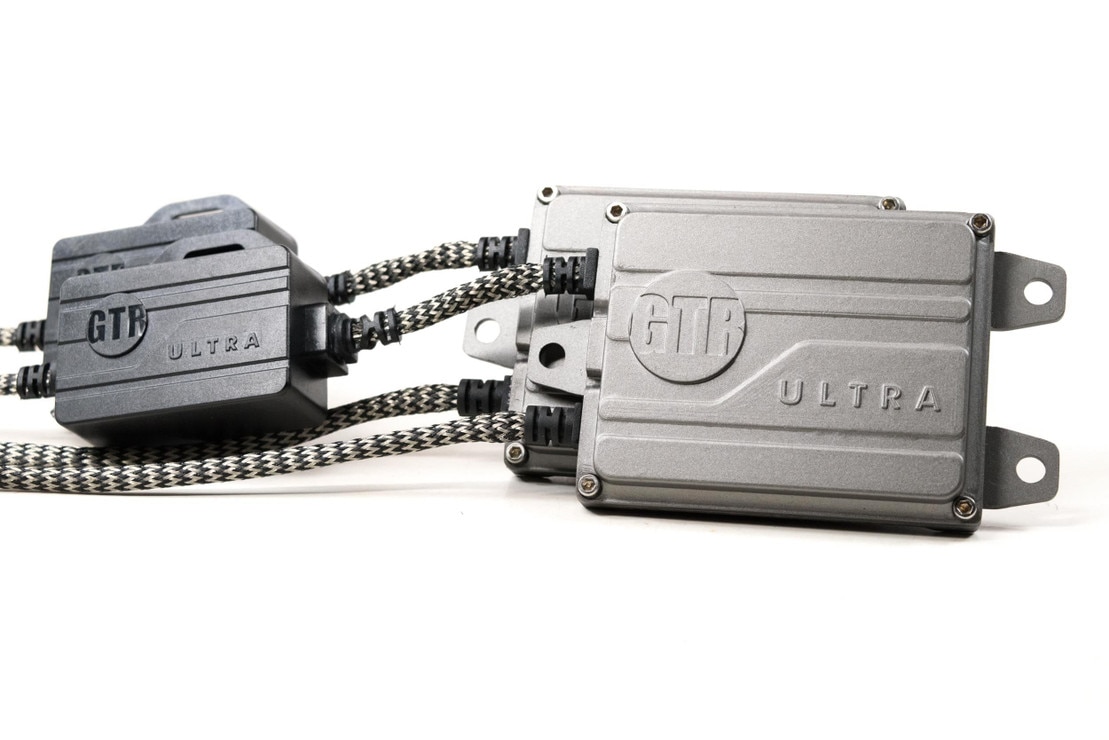
A typical 35W HID kit from GTR Lighting costs around $200. OEM Philips ballasts and bulbs pulled from a newer Mercedes can cost $900 or more for a complete retrofit setup.
Why such a massive price gap?
Because premium brands use:
-
High-quality internal components
-
Proper circuit board insulation
-
Shock-resistant construction
-
Fully sealed housings
Xentec does none of that.
What “Waterproof” Should Mean
Now let’s talk about waterproofing.
When manufacturers build a true waterproof ballast, they seal the housing. They add internal potting compound to protect the circuitry. They install gaskets or O-rings to block moisture and dust.
Xentec skipped those steps.
Inside the Xentec ballast, the circuit board mounts directly to an aluminum plate. The housing lacks proper sealing.In contrast, quality ballasts weigh significantly more because they contain protective material and stronger housings.
Build Quality Differences
When you hold both ballasts side by side, the difference becomes obvious.
The GTR Lighting ballast feels solid and heavy. The housing uses durable materials. The connectors lock firmly in place.
The Xentec ballast feels lightweight and fragile. The housing uses thin plastic. The screws look small and unsecured. The internal components sit exposed.
Additionally, the Xentec ballast offers almost no shock resistance. Mounting it to a metal surface inside an engine bay invites vibration damage.
Water, dust, and heat accelerate failure.
Real-World Reliability
Cheap HID kits may work at first. However, long-term reliability tells the real story.
Low-grade components fail faster. Poor sealing allows moisture intrusion. Weak solder joints crack under vibration.
As a result, flickering, misfires, and total failure occur far more often with ultra-budget kits.
When your headlights shut off at night, the savings no longer feel worth it.
Final Verdict
Xentec sells extremely inexpensive HID kits. However, low cost comes from reduced materials, poor sealing, and minimal durability.
If you want dependable performance, invest in a properly sealed, shock-resistant ballast from a reputable brand like GTR Lighting.
Good lighting protects you. Cheap lighting risks failure.
In automotive electronics, you truly get what you pay for.
If you’re into high-performance lighting upgrades, make sure to follow our Facebook page for the latest installs, comparisons, and product releases. For in-depth guides, expert insights, and real-world testing, check out the Better Automotive Lighting Blog— your go-to source for serious illumination upgrades. Up Next: What Are Projector Headlights and Why Do They Matter?Meet the people behind Better Automotive Lighting

John Tobias, Headlight Junkie and Industry Veteran
Before managing pricing and product categories for the DLG brands, John worked directly with customers in customer service and tech support, then spent several years in marketing creating content like this and the videos published online. Today he takes more than ten years of aftermarket automotive lighting experience to events all over the USA, meeting customers and talking to real people about what they care about. He is focused on understanding the market, the trends, the big players, and what matters to lighting enthusiasts. John has tested thousands of lights, works directly with lighting engineers to evaluate the technical performance behind every recommendation, and is one of the foremost experts on everything happening in the world of aftermarket automotive lighting. LinkedIn


