

What Florida’s Law Says About Vehicle Lights
In Florida, there are rules about what kind of illumination a vehicle can have. The law says you can’t drive a vehicle with a red, red and white, or blue light that can be seen from the front. But, there are some exceptions for certain types of automobiles.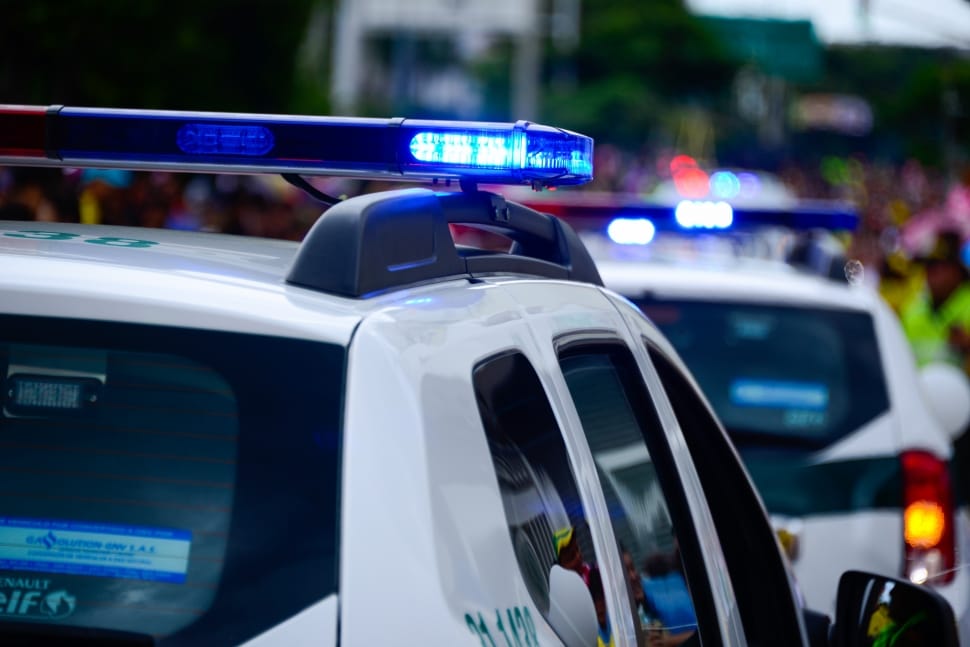
When Can Vehicles Use Different Colored Lights?
Only police vehicles are allowed to have blue lights. But, vehicles used by the Department of Corrections or county correctional agencies can also use blue lights when they are responding to emergencies. Fire department vehicles, fire patrol vehicles, and volunteer firefighter vehicles can use red or red and white lights. Vehicles used by doctors or technicians at medical facilities, ambulances, buses, and taxicabs can also use red lights in certain situations. Vehicles like wreckers, mosquito control vehicles, and emergency vehicles used by government departments or public service companies can use amber (yellow-orange) lights when working or when there is a hazard. However, they can’t use these lights when they are going to or coming from the place where they are working or where the hazard is. Also, they may use the lights unless a law enforcement officer or agency says it’s okay. Vehicles used by private security companies can use green and amber lights when the security personnel are doing their security duties on private or public property.What About Other Vehicles?
Road or street maintenance vehicles, road service vehicles, garbage trucks, petroleum tankers, and mail carrier vehicles can use amber lights when they are working or when there is a hazard. In addition, commercial vehicles or trailers that carry unprocessed logs or pulpwood can have an amber light at the back of the vehicle or trailer. Road maintenance and construction equipment can use flashing white lights or flashing white strobe lights when they are working and where there is a hazard. Construction equipment in a work zone on roads with a speed limit of 55 miles per hour or higher can use a combination of flashing green, amber, and red lights when workers are present. Additionally, school buses and vehicles used to transport farm workers can also use flashing white strobe lights.
What Happens If You Break These Rules?
If someone breaks these rules and attempts to stop another vehicle, the law treats the action as a first-degree misdemeanor. In this case, authorities can pursue criminal charges and apply legal penalties.
However, if someone violates the rules without attempting to stop another vehicle, the offense counts as a noncriminal traffic infraction. While this still breaks traffic regulations, the law does not classify it as a crime.
Wrapping Up
Understanding Florida’s automotive lighting rules helps keep everyone safe on the road. These regulations ensure drivers can see vehicles clearly and recognize what different lighting signals mean. As a result, the next time you see a vehicle with flashing lights, you’ll understand exactly why they’re there.
This blog post aims to explain the law in clear terms, not to provide legal advice. If you have specific legal questions, consult a qualified legal professional. Drive safely, and keep learning as you go.
Meet the people behind Better Automotive Lighting

John Tobias, Headlight Junkie and Industry Veteran
Before managing pricing and product categories for the DLG brands, John worked directly with customers in customer service and tech support, then spent several years in marketing creating content like this and the videos published online. Today he takes more than ten years of aftermarket automotive lighting experience to events all over the USA, meeting customers and talking to real people about what they care about. He is focused on understanding the market, the trends, the big players, and what matters to lighting enthusiasts. John has tested thousands of lights, works directly with lighting engineers to evaluate the technical performance behind every recommendation, and is one of the foremost experts on everything happening in the world of aftermarket automotive lighting. LinkedIn


