

Automotive lighting continues to evolve. For years, enthusiasts relied on HID conversion kits for serious brightness gains. Today, however, LED headlight conversion kits are changing the game.
When HID kits first became popular, they dominated car shows and street builds. They delivered noticeable brightness upgrades over halogen bulbs. As a result, they became the go-to solution for forward lighting.
Now, LED headlight conversion kits aim to take that position.
From HID to LED: What Changed?
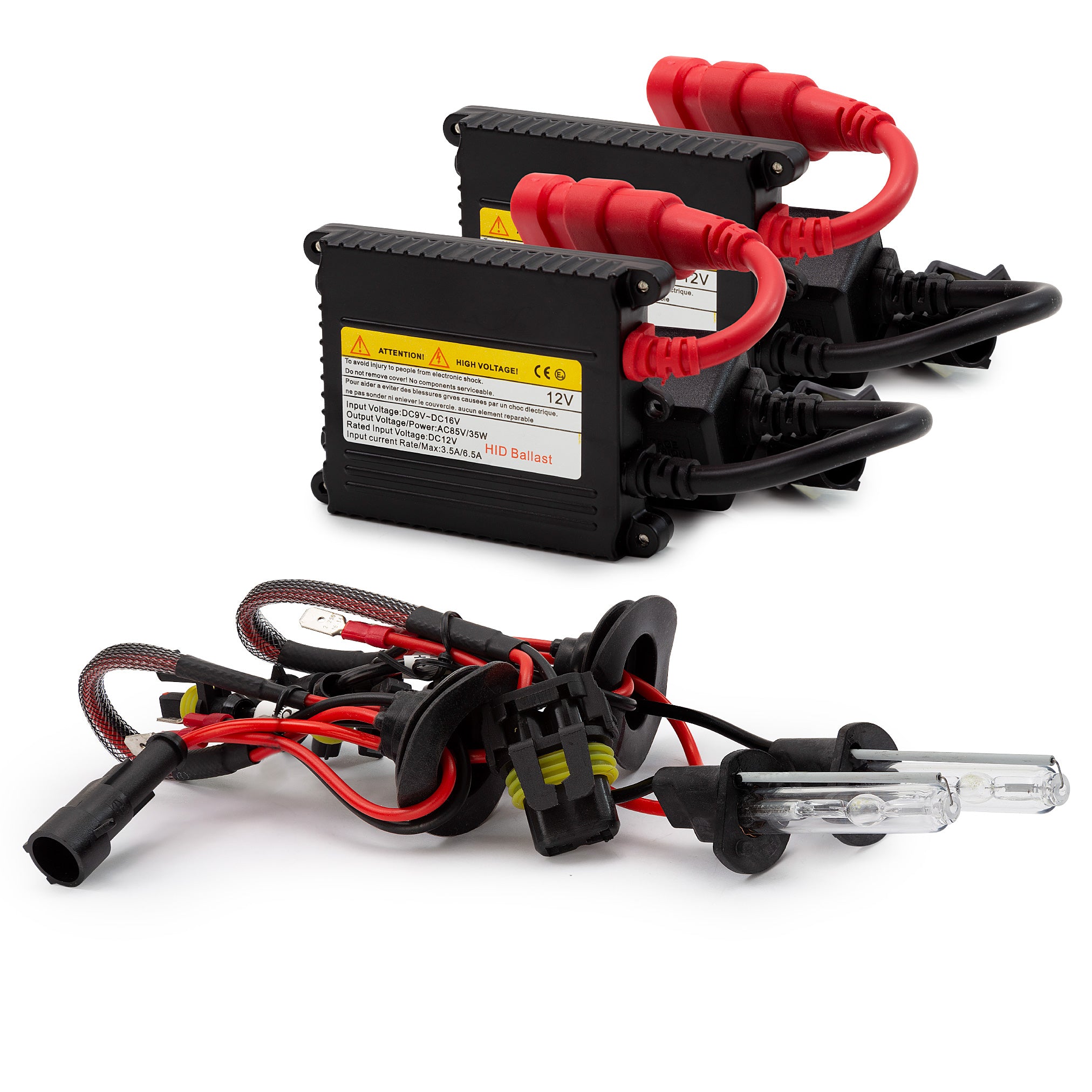


Manufacturers showcased early LED headlight conversion kits at SEMA in 2013. Since then, the technology has advanced rapidly.
Current LED kits offer:
-
Color temperatures from 4,000K to 7,000K
-
Output ratings between 1,200 and 4,000 lumens per bulb
While those numbers look impressive, beam control matters more than raw lumen claims. Therefore, understanding design differences is critical.
Two Types of LED Headlight Conversion Kits
Today, you’ll find two primary styles:
-
LED bulbs without reflectors
-
LED bulbs with integrated reflectors
This distinction changes everything.
Old Style: No Reflector, Uncontrolled Output

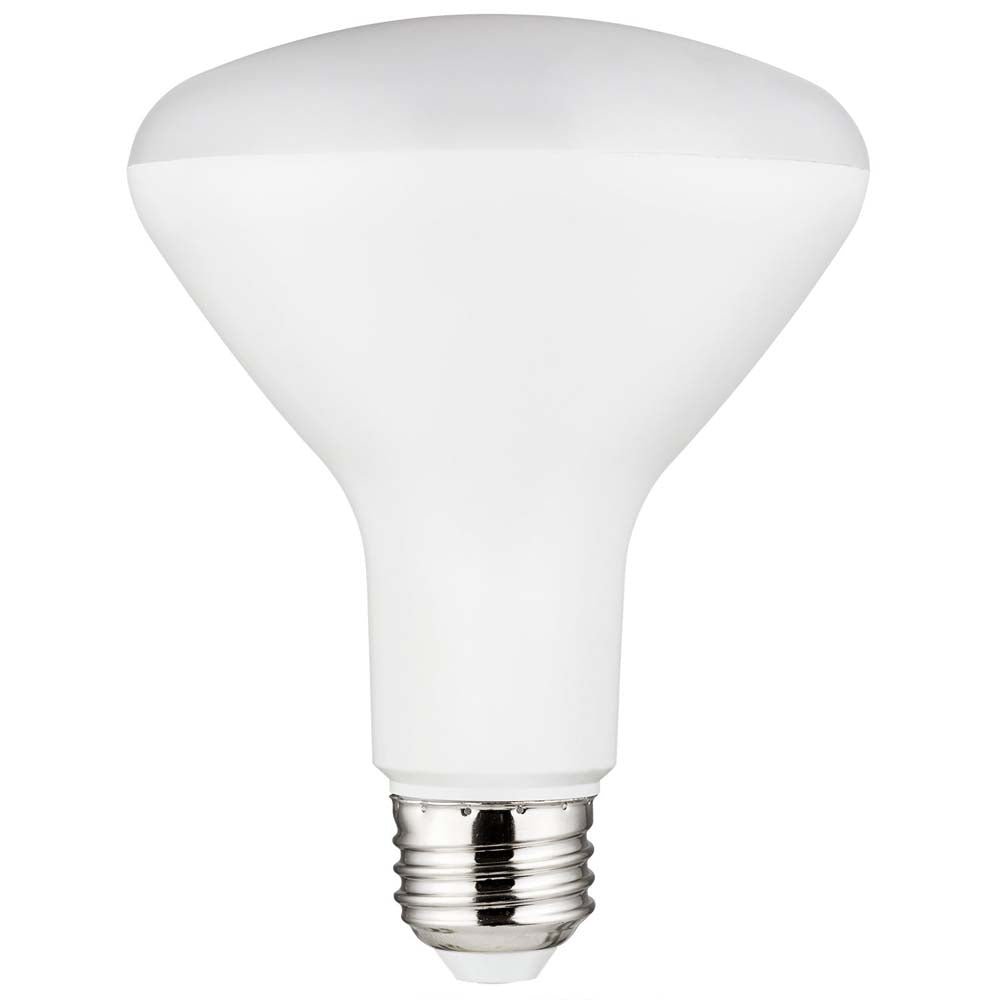

Early LED conversion kits used large surface-mounted LED chips. These chips emitted light in a wide, uncontrolled pattern.
Because the design lacked a reflector, the beam scattered inside the housing. Consequently, drivers saw excessive glare and poor focus.
Even if the lumen rating looked high, the usable light often fell short.
New Style: Integrated Reflector Technology
GTR Lighting introduced a redesigned LED headlight that solves this problem.


The new design surrounds each LED chip with a small reflector. That reflector directs light forward instead of allowing it to scatter.
As a result, the beam pattern mimics the original halogen bulb more closely.
Additionally, this newer design includes a hidden cooling fan. Instead of exposing the fan, manufacturers enclose it inside a protective heat sink shroud. That change improves durability and appearance.
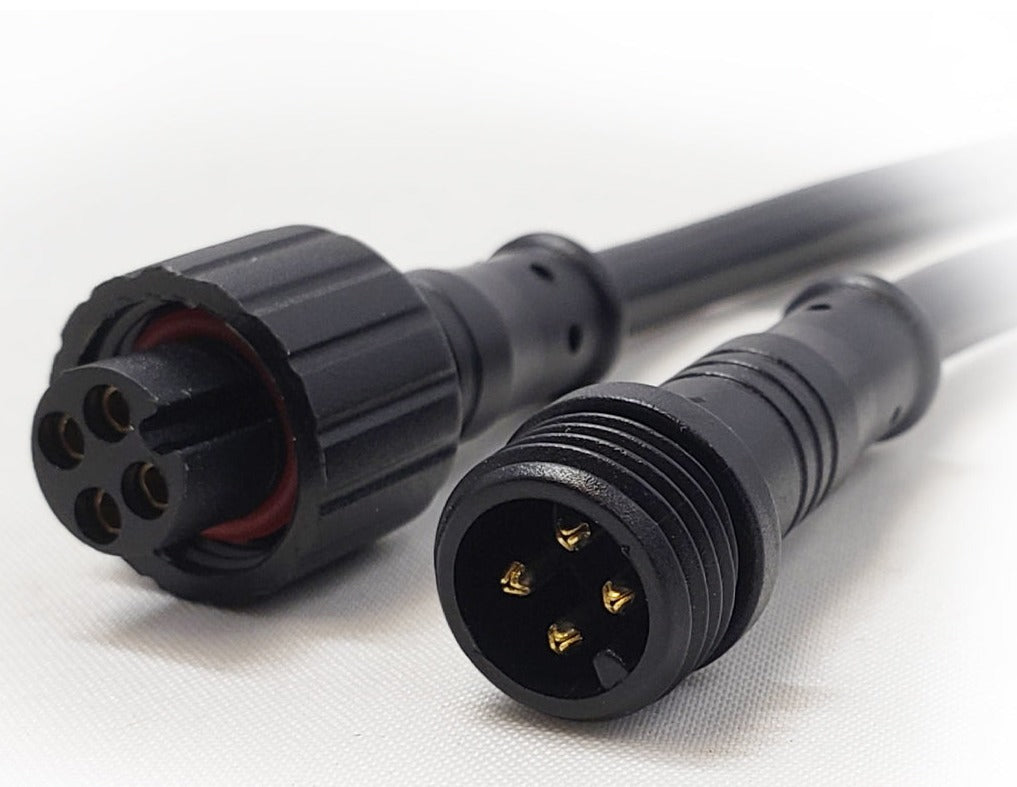
Finally, newer kits include waterproof connections. Since headlights operate in wet environments, proper sealing matters.
Three Major Improvements in the New Design
Focused Light Output
The integrated reflector controls the beam. Therefore, more light reaches the road instead of blinding other drivers.
Hidden, Protected Cooling Fan
The new low-profile fan sits inside the housing. This design protects the motor and improves reliability.
Waterproof Electrical Connection
A sealed connector prevents moisture intrusion. Consequently, the system lasts longer in harsh conditions.
Why Reflector Design Matters
Many buyers focus only on lumens. However, high lumen numbers do not guarantee better visibility.
If the beam scatters everywhere, you lose usable intensity. On the other hand, when the reflector focuses the output, you gain controlled brightness where you need it most.
In short, beam focus matters more than raw numbers.
Final Thoughts
LED headlight technology continues to improve rapidly. While HID kits once dominated the aftermarket, modern LED systems now offer competitive brightness with better efficiency and longevity.
However, not all LED conversion kits perform equally. Always choose a design with integrated reflector technology, proper cooling, and waterproof connections.
When you focus on beam control—not just lumen claims—you get safer and more effective lighting.
If you’re into high-performance lighting upgrades, make sure to follow our Facebook page for the latest installs, comparisons, and product releases. For in-depth guides, expert insights, and real-world testing, check out the Better Automotive Lighting Blog— your go-to source for serious illumination upgrades. Up Next: Rediscovering the Charm of Pop-up Headlights with the Volvo EX90Meet the people behind Better Automotive Lighting

John Tobias, Headlight Junkie and Industry Veteran
Before managing pricing and product categories for the DLG brands, John worked directly with customers in customer service and tech support, then spent several years in marketing creating content like this and the videos published online. Today he takes more than ten years of aftermarket automotive lighting experience to events all over the USA, meeting customers and talking to real people about what they care about. He is focused on understanding the market, the trends, the big players, and what matters to lighting enthusiasts. John has tested thousands of lights, works directly with lighting engineers to evaluate the technical performance behind every recommendation, and is one of the foremost experts on everything happening in the world of aftermarket automotive lighting. LinkedIn


