

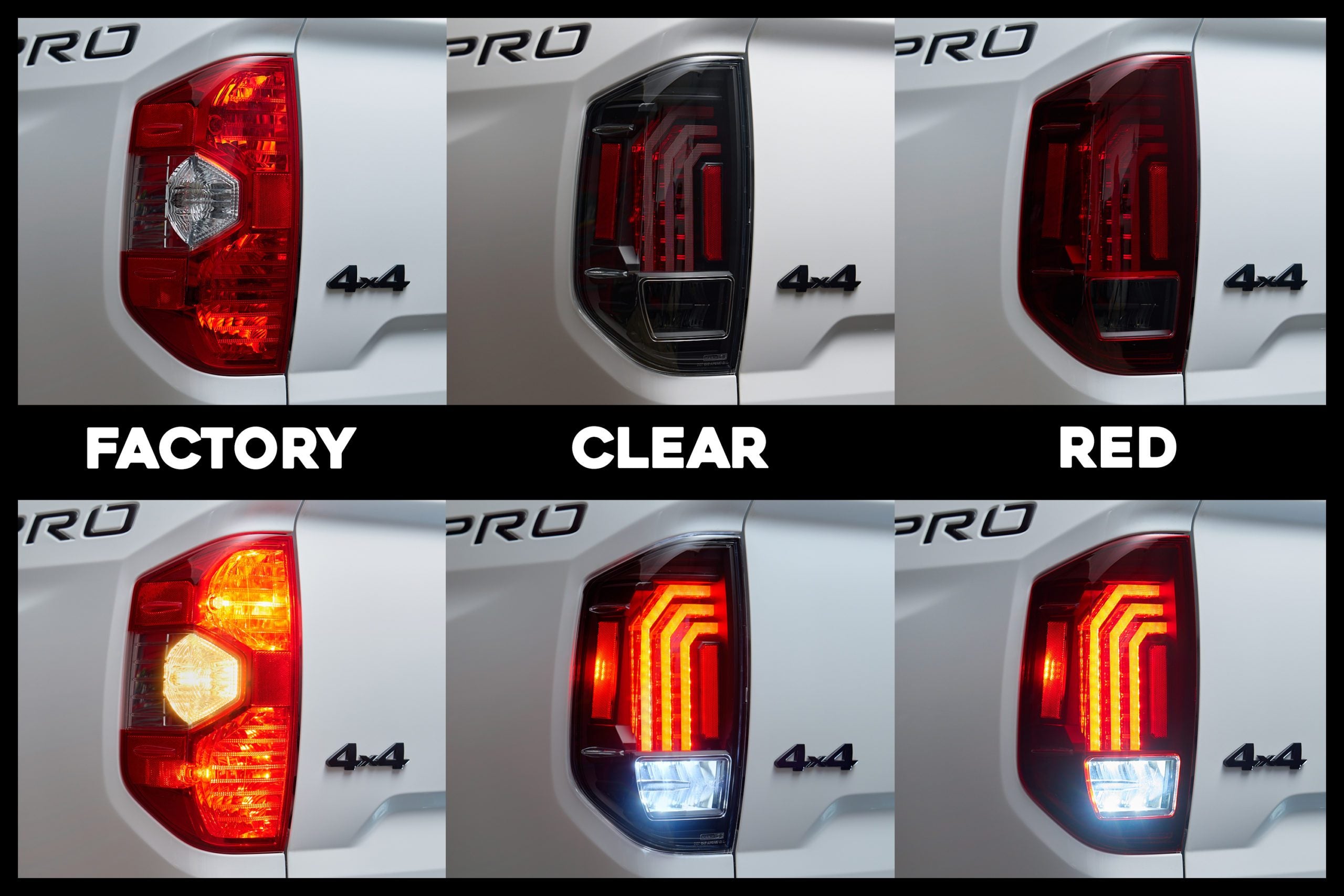
Upgrading your 2015 Toyota Tundra’s rear blinker bulbs to LED improves safety, style, and reliability. It’s one of the easiest upgrades you can make to the back end of the truck.
Drivers switch to LED bulbs for several reasons. First, LEDs shine brighter. As a result, other drivers notice your signals faster. Second, LEDs offer a cleaner, more modern look. Finally, they last much longer than incandescent bulbs. That means fewer burnt-out bulbs and less maintenance.
However, the 2015 Tundra requires one extra step.
Why the Tundra Hyper-Flashes with LEDs
Toyota integrates the flasher system into the BCM (Body Control Module). The BCM controls blink speed and monitors the factory incandescent filaments.
When a stock bulb burns out, the BCM increases the blink speed. That rapid blinking warns the driver.
LED bulbs do not use filaments. Therefore, the BCM assumes a bulb has failed. As soon as you install LEDs, the truck hyper-flashes.
Since Toyota does not use a traditional external flasher module, you cannot simply swap a relay. Instead, you must simulate the factory load.
The Solution: 50W Load Resistors
To fix hyper-flashing, install a 50-watt load resistor.
Wire the resistor in parallel with the LED bulb. When connected properly, the resistor mimics the electrical load of the factory bulb. Consequently, the BCM reads the system as normal and restores proper blink speed.
Although resistors solve the issue, they generate heat. So, you must mount them carefully.
Step 1: Remove the Tail Light


Start by removing the two T30 Torx bolts on the inside edge of the tail light. One bolt sits at the top. The other sits at the bottom.
Once you remove the bolts, pull the housing straight back. The outer side uses push pins, so apply firm, even pressure. Do not twist the housing. Also, avoid dragging it across the paint.
Set the tail light aside on a clean surface.
Step 2: Install the LED Bulbs
Turn on your four-way flashers before removing the stock bulbs. This step helps you confirm power during testing.
Remove the factory bulb and insert the LED replacement, such as the GTR Lighting T15/921 Lightning Series LED bulb.
If the LED does not illuminate, remove it and rotate it 180 degrees. LEDs are polarity-sensitive, so orientation matters.
Once installed, verify proper operation.
Step 3: Wire the Load Resistor


Locate the two wires leading to the turn signal bulb. Carefully strip a small section of insulation near the harness to create room for connections.
Connect one end of the resistor to the positive turn signal wire. Then connect the other end to the ground wire. This wiring bridges the two circuits.
Secure all connections tightly. Loose wiring can cause intermittent issues.
Mount the Resistor Safely
Load resistors get extremely hot during operation. Therefore, mount the resistor to a metal surface using screws or bolts.
Do not attach it to plastic. Do not leave it loose inside the tail light cavity. Heat can melt surrounding components.
Once mounted, reinstall the tail light housing and tighten the bolts.
Final Thoughts
Upgrading to LED blinker bulbs modernizes your 2015 Toyota Tundra instantly. You gain brighter signals, faster illumination, and longer bulb life.
Because the BCM controls blink speed, you must add load resistors to prevent hyper-flashing. Install them correctly, mount them securely, and your system will function just like stock—only brighter.
If you’re into high-performance lighting upgrades, make sure to follow our Facebook page for the latest installs, comparisons, and product releases. For in-depth guides, expert insights, and real-world testing, check out the Better Automotive Lighting Blog— your go-to source for serious illumination upgrades. Up Next: Shine On, But Within Limits!Meet the people behind Better Automotive Lighting

John Tobias, Headlight Junkie and Industry Veteran
Before managing pricing and product categories for the DLG brands, John worked directly with customers in customer service and tech support, then spent several years in marketing creating content like this and the videos published online. Today he takes more than ten years of aftermarket automotive lighting experience to events all over the USA, meeting customers and talking to real people about what they care about. He is focused on understanding the market, the trends, the big players, and what matters to lighting enthusiasts. John has tested thousands of lights, works directly with lighting engineers to evaluate the technical performance behind every recommendation, and is one of the foremost experts on everything happening in the world of aftermarket automotive lighting. LinkedIn


